Altitude
2,730 m
Temperature
0°C – 20°C
Best Time
May – Sep
From Srinagar
42 km
The Valley of Milk
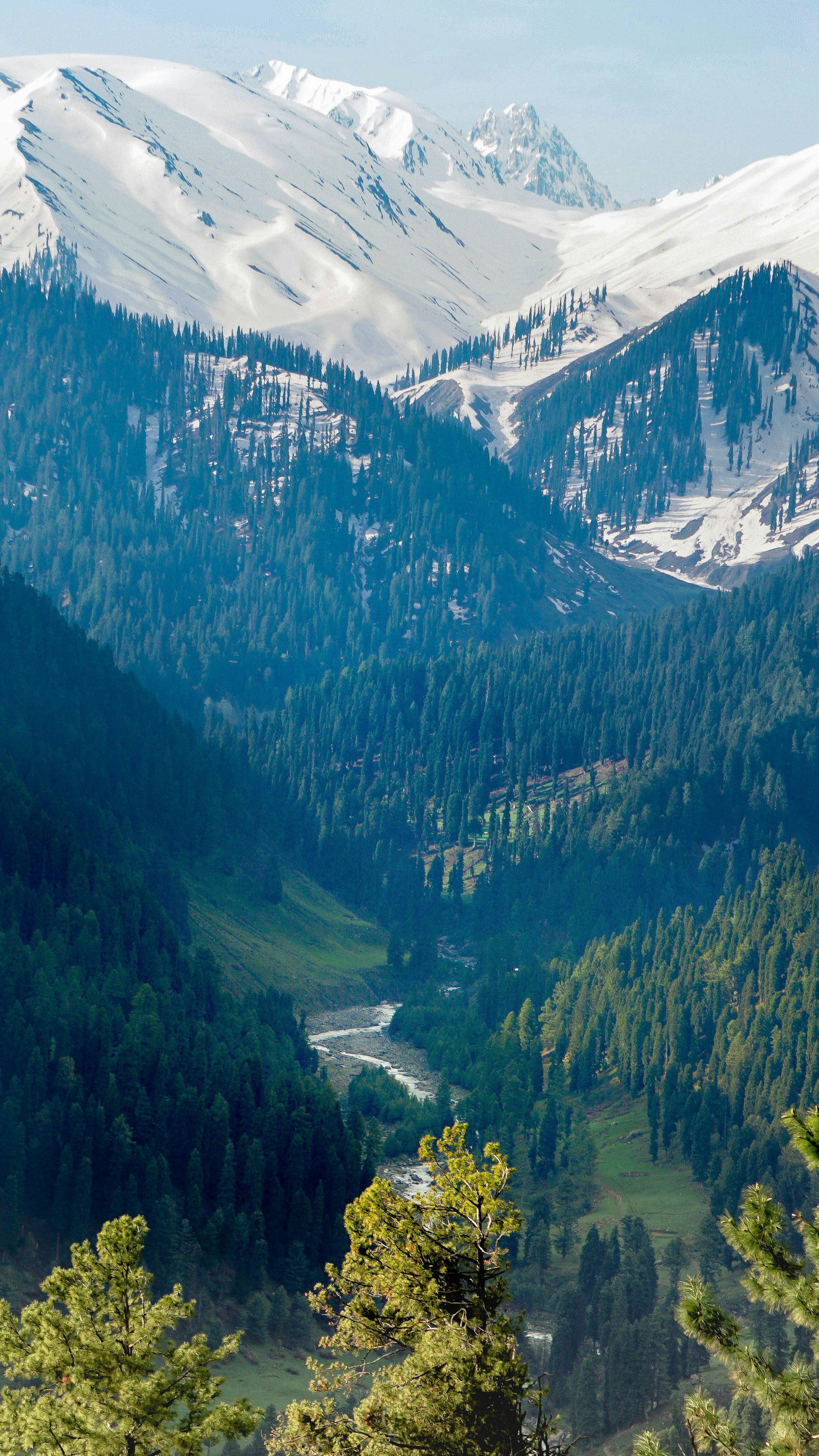
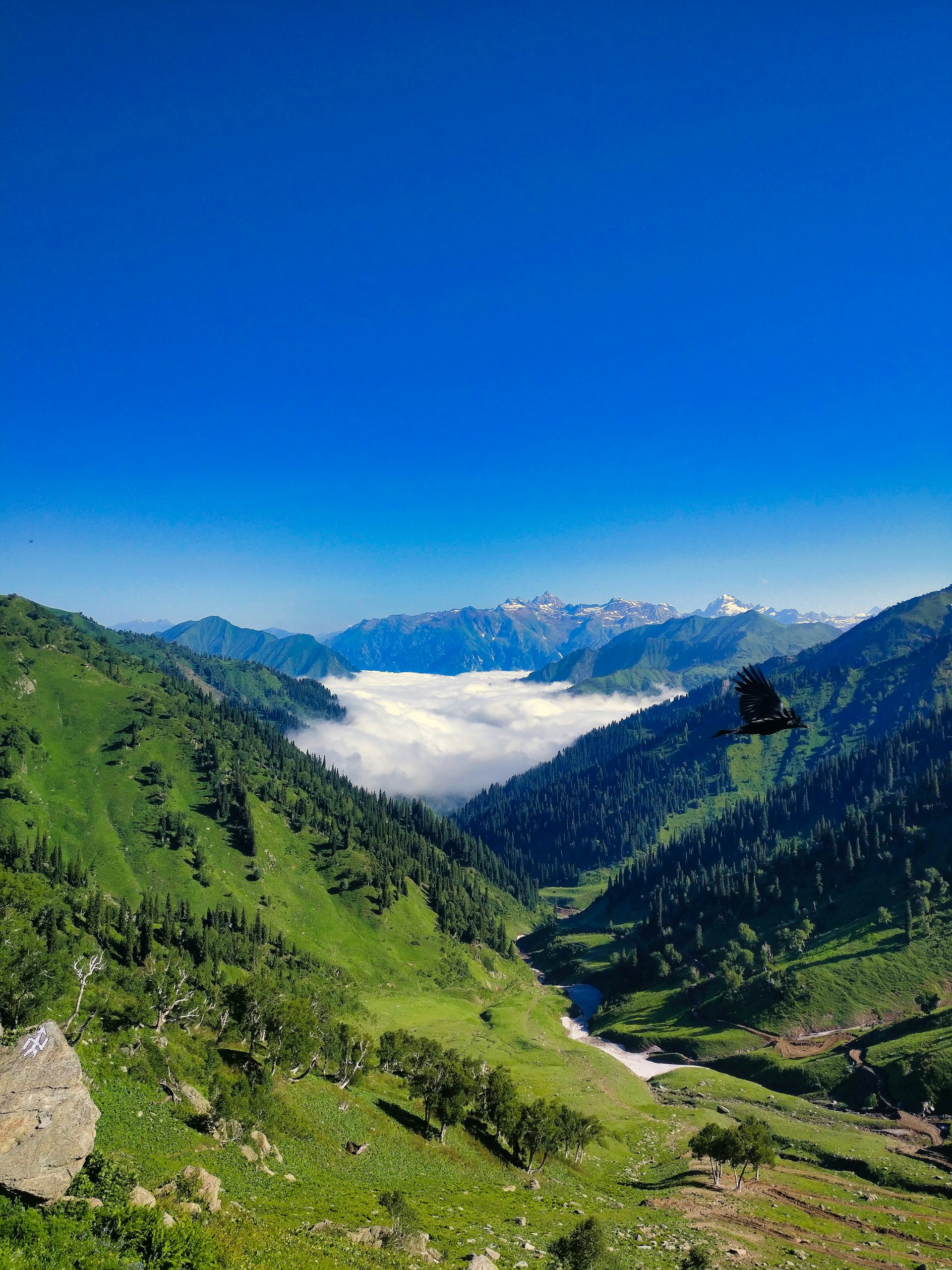
Doodhpathri — 'Valley of Milk' in Kashmiri — earns its poetic name from the milky-white frothy streams that rush through its emerald meadows, fed by the surrounding glaciers. Located 42 km west of Srinagar in the Budgam district at 2,730 metres, Doodhpathri is the perfect antidote to Kashmir's more crowded destinations.
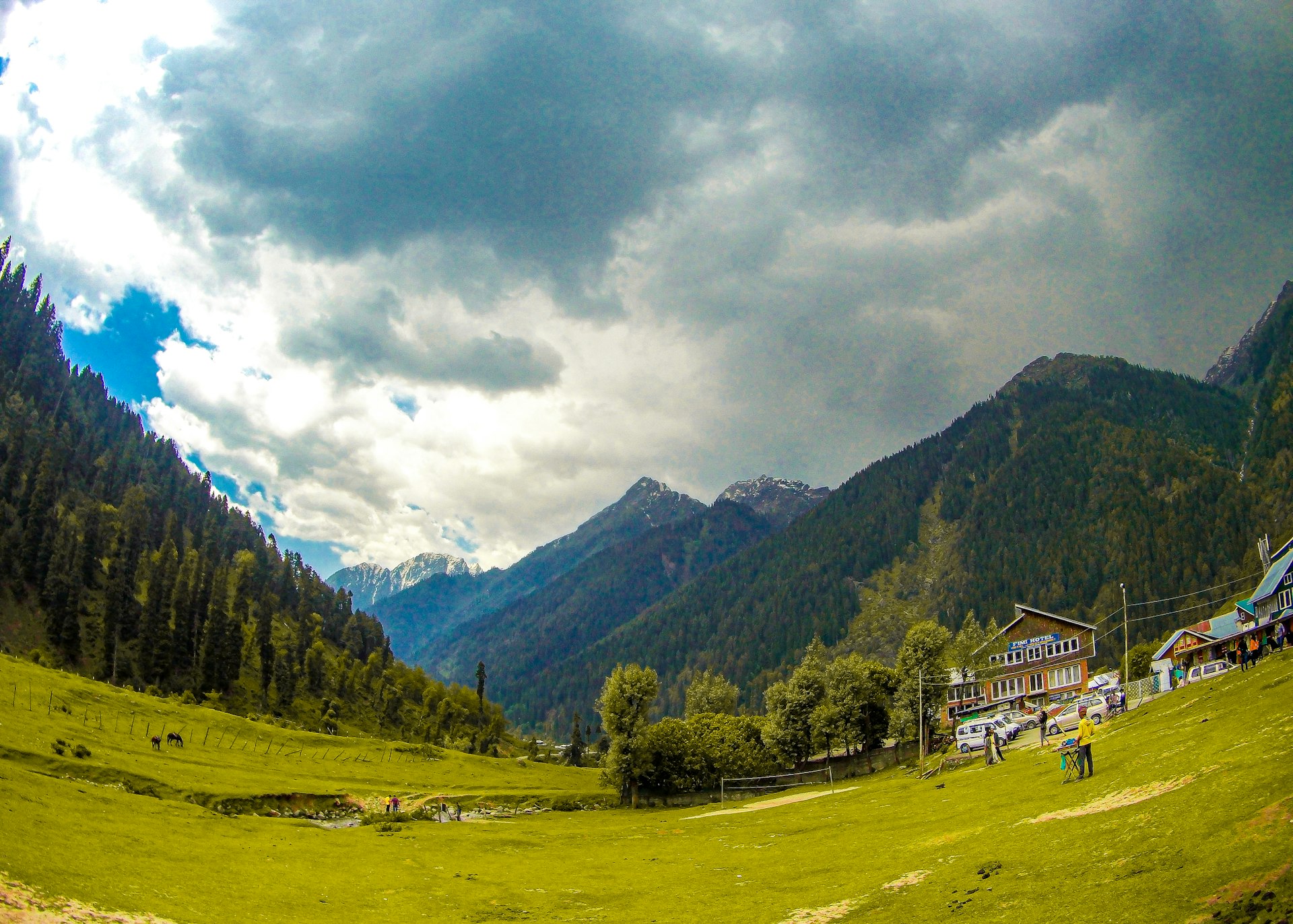
The valley is an unbroken expanse of green — lush pastures that stretch for kilometres in every direction, grazed by flocks of sheep tended by nomadic Gujjar and Bakarwal shepherds who have used these meadows for centuries. Silver fir and pine trees ring the edges, their reflections shimmering in the milky streams below.
In summer, wildflowers cover every available inch of meadow — buttercups, forget-me-nots, purple clover and white daisies creating a patchwork of colour that photographers travel days to capture. The combination of milky waters, flower meadows, and nomadic shepherd life makes Doodhpathri one of the most authentically atmospheric places in the Kashmir Valley.
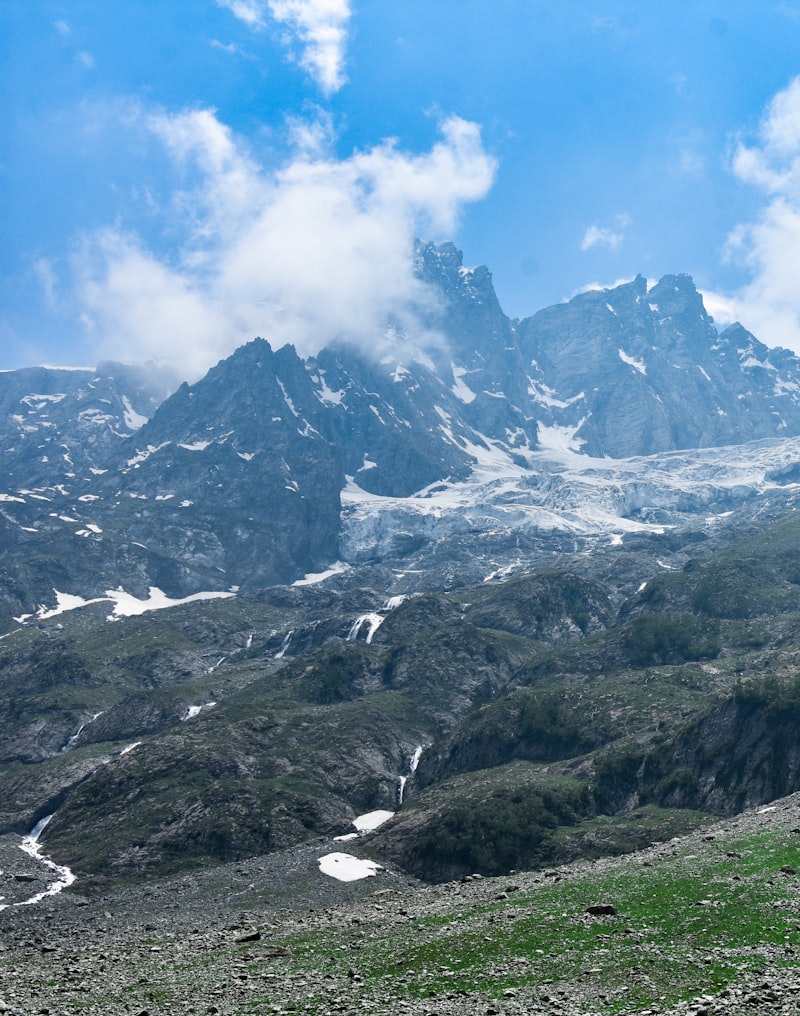
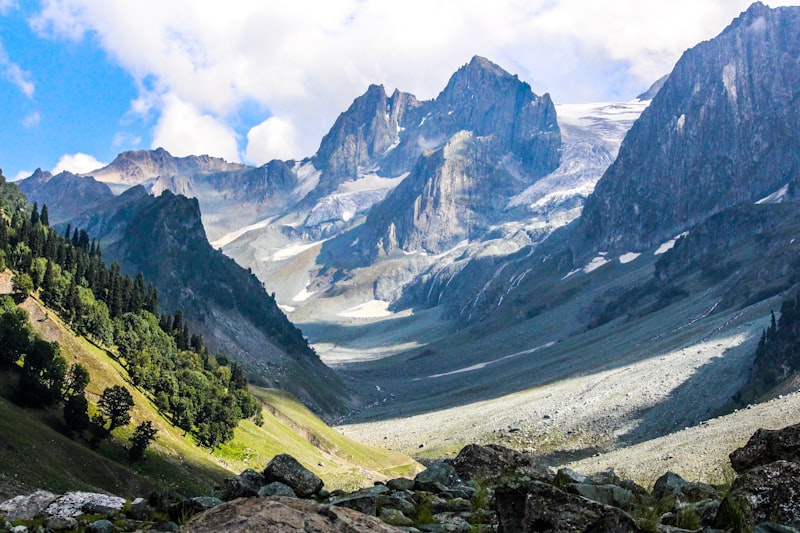
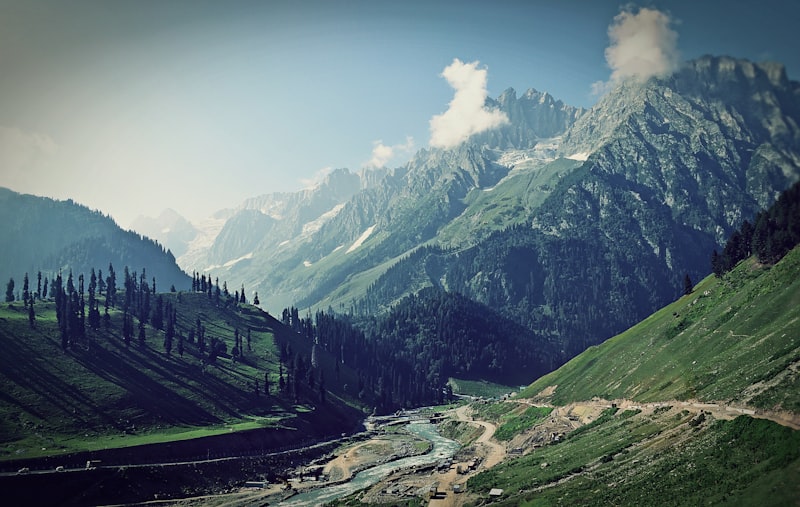
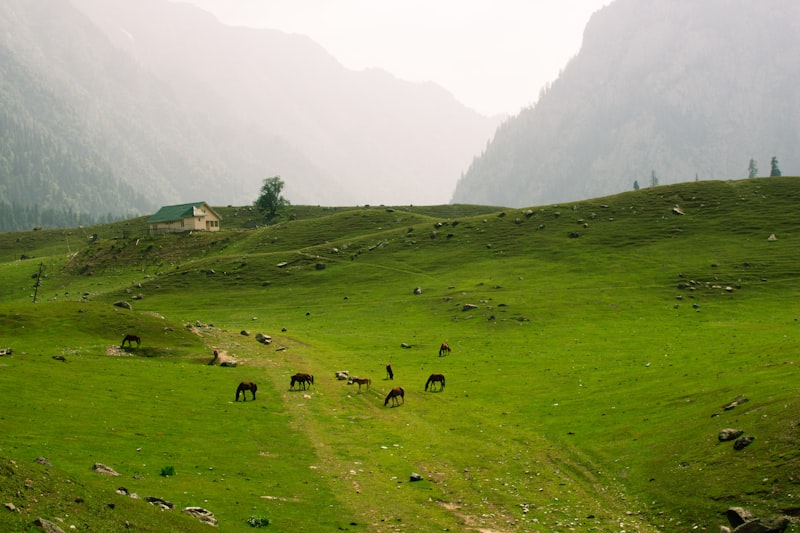
The Story of Doodhpathri
Doodhpathri's name and its milky streams have given rise to one of Kashmir's most charming legends. According to local tradition, the great Sufi saint Sheikh Nuruddin Wali (Nund Rishi), Kashmir's patron saint, once passed through this valley. Thirsty, he struck his staff into the ground, and from the earth sprang a stream of milk — giving the valley its evocative name.
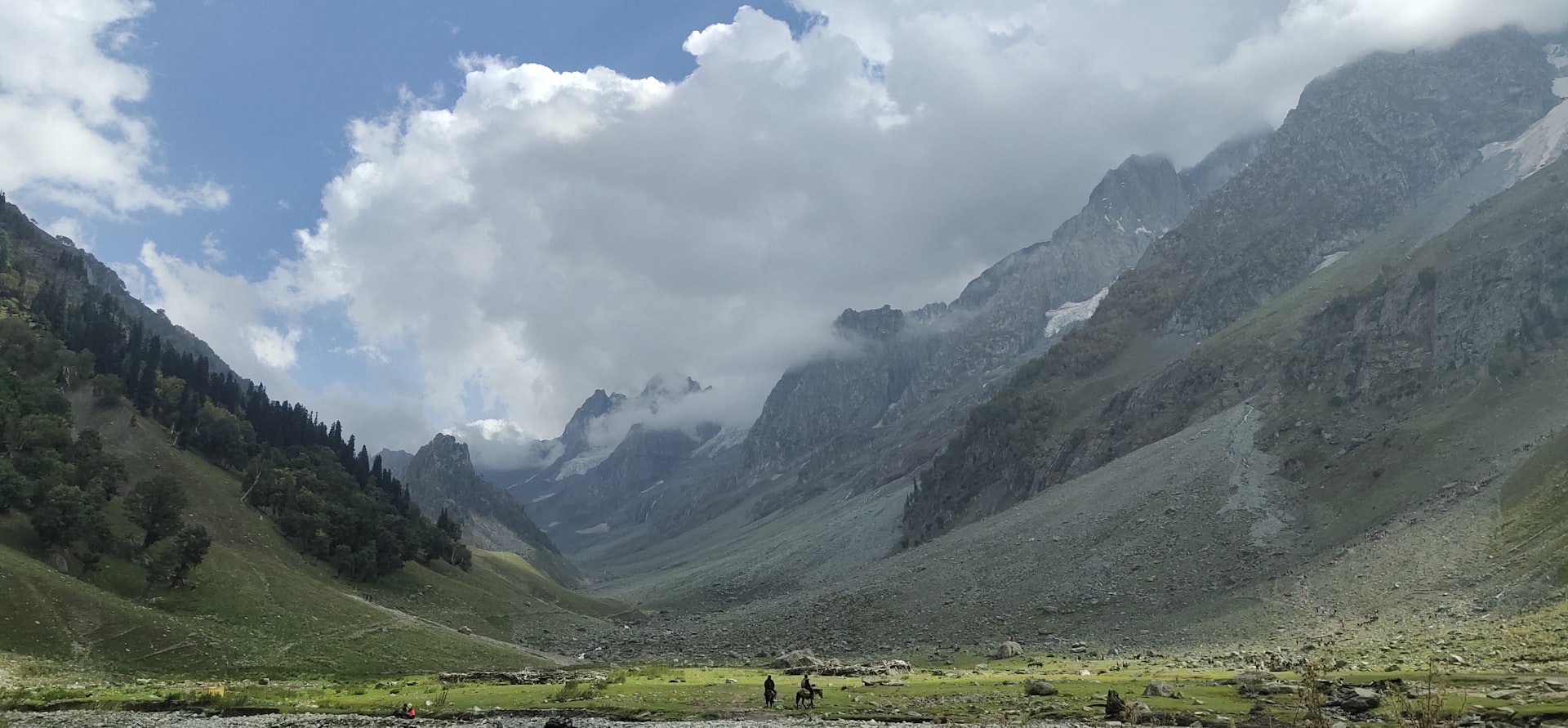
Historically, Doodhpathri served as a high-altitude summer grazing ground for the Gujjar and Bakarwal nomadic communities who migrated from the plains with their livestock each spring and returned before the winter snows. Their black tents, visible across the meadows in July and August, are one of the valley's most photographically compelling sights.
British officials and Dogra rulers discovered the valley's beauty in the 19th century and used it as a hunting ground and summer retreat. The colonial-era forest rest houses, now managed by J&K Tourism, still stand in the valley.
Tourism infrastructure began developing in the 1990s but remains pleasingly minimal — no gondola, no ski resort, no crowded bazaar. Doodhpathri has resisted commercialisation, and that is precisely its greatest gift.
Experiences in Doodhpathri
Meadow Walks
Wander through vast flower-filled meadows with only shepherd flocks and birdsong for company.
Stream Crossing
Wade through the milky-white shallow streams — cool, clear and irresistibly inviting.
Pony Rides
Explore the far reaches of the valley on horseback, reaching viewpoints inaccessible on foot.
Camping
Pitch a tent beside a stream under the stars — no light pollution, extraordinary night skies.
Shepherd Encounters
Meet the nomadic Gujjar and Bakarwal shepherds and learn about their ancient mountain lifestyle.
Photography
Milky streams, wildflower meadows, shepherd tents and snow peaks — a photographer's dream destination.
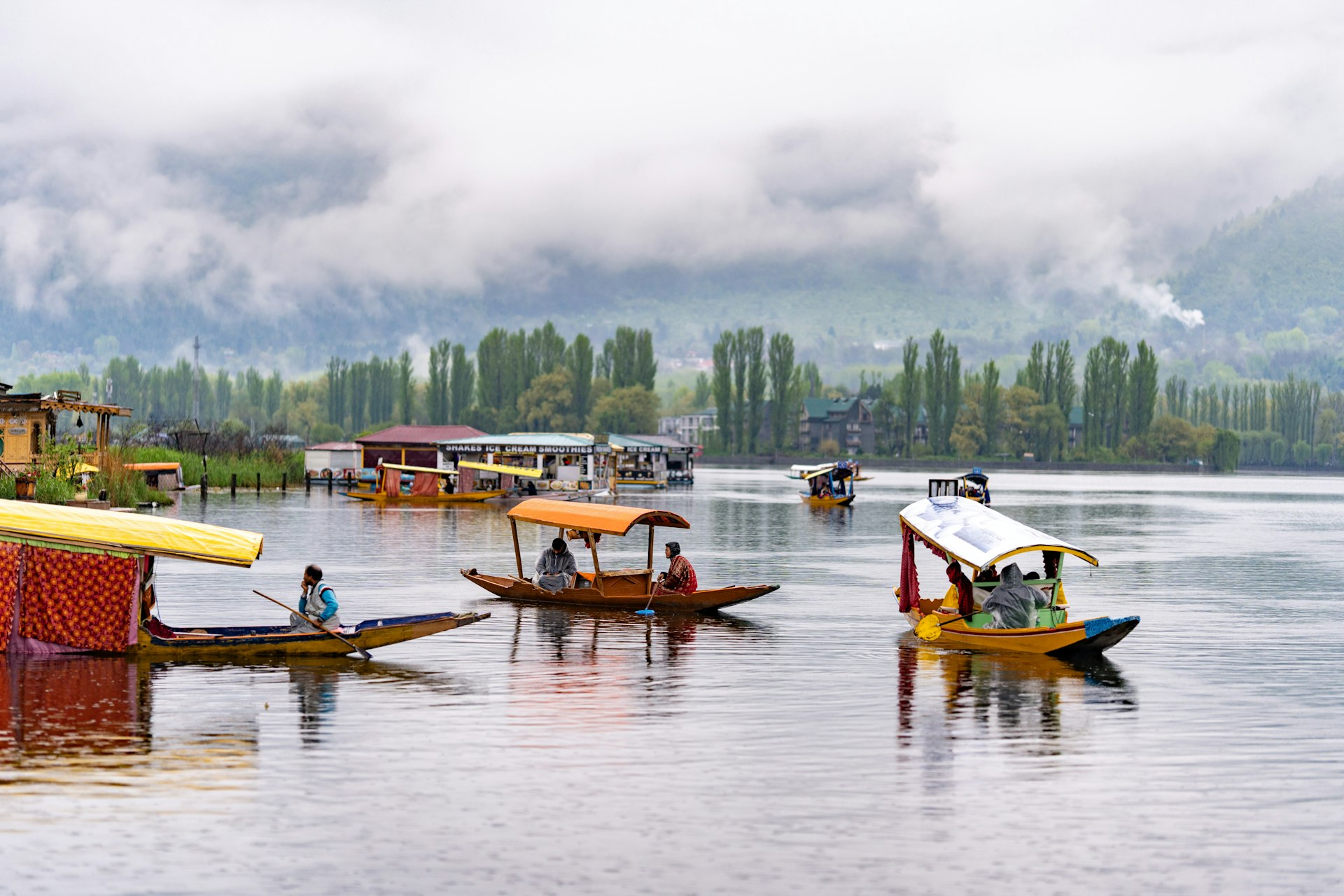
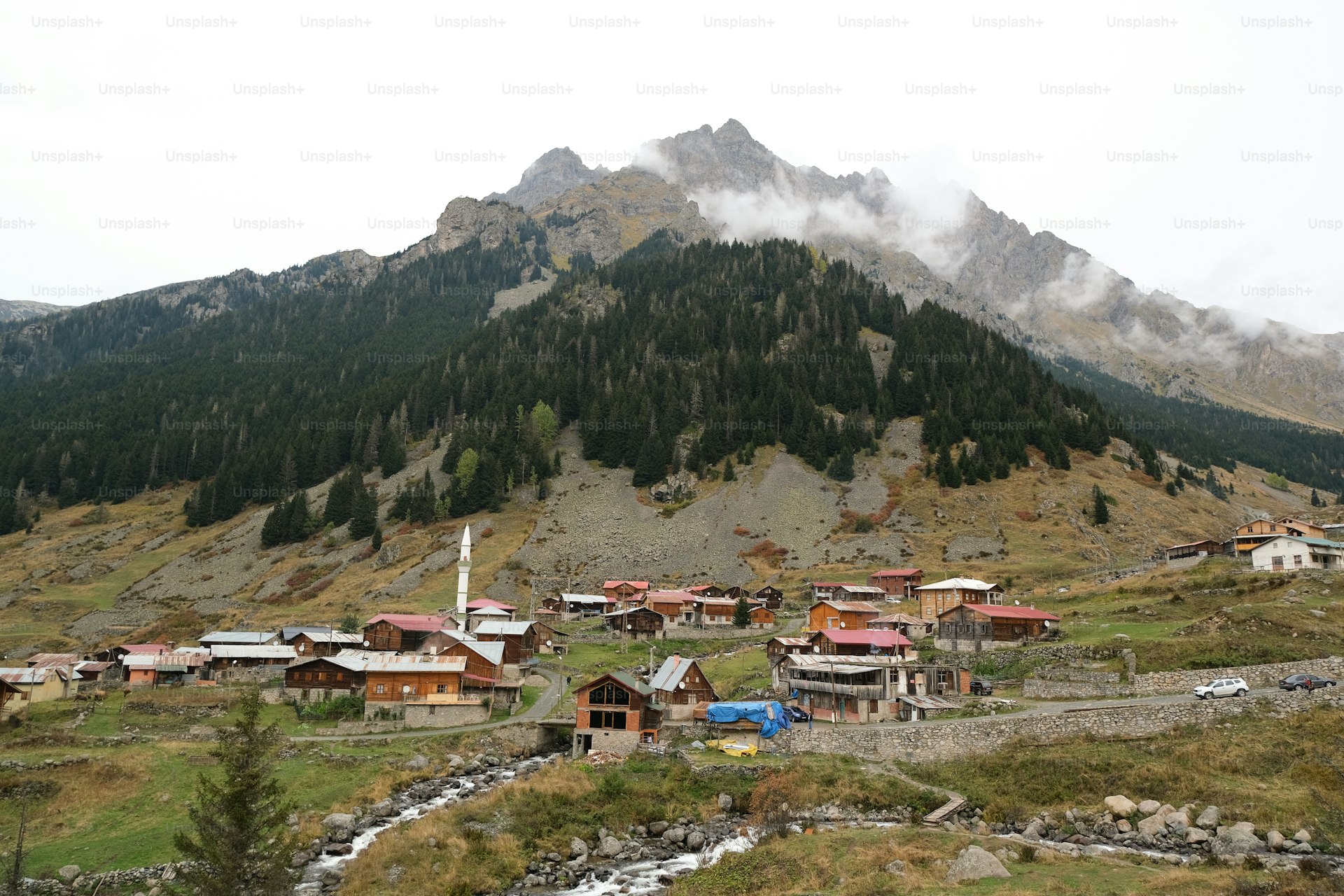
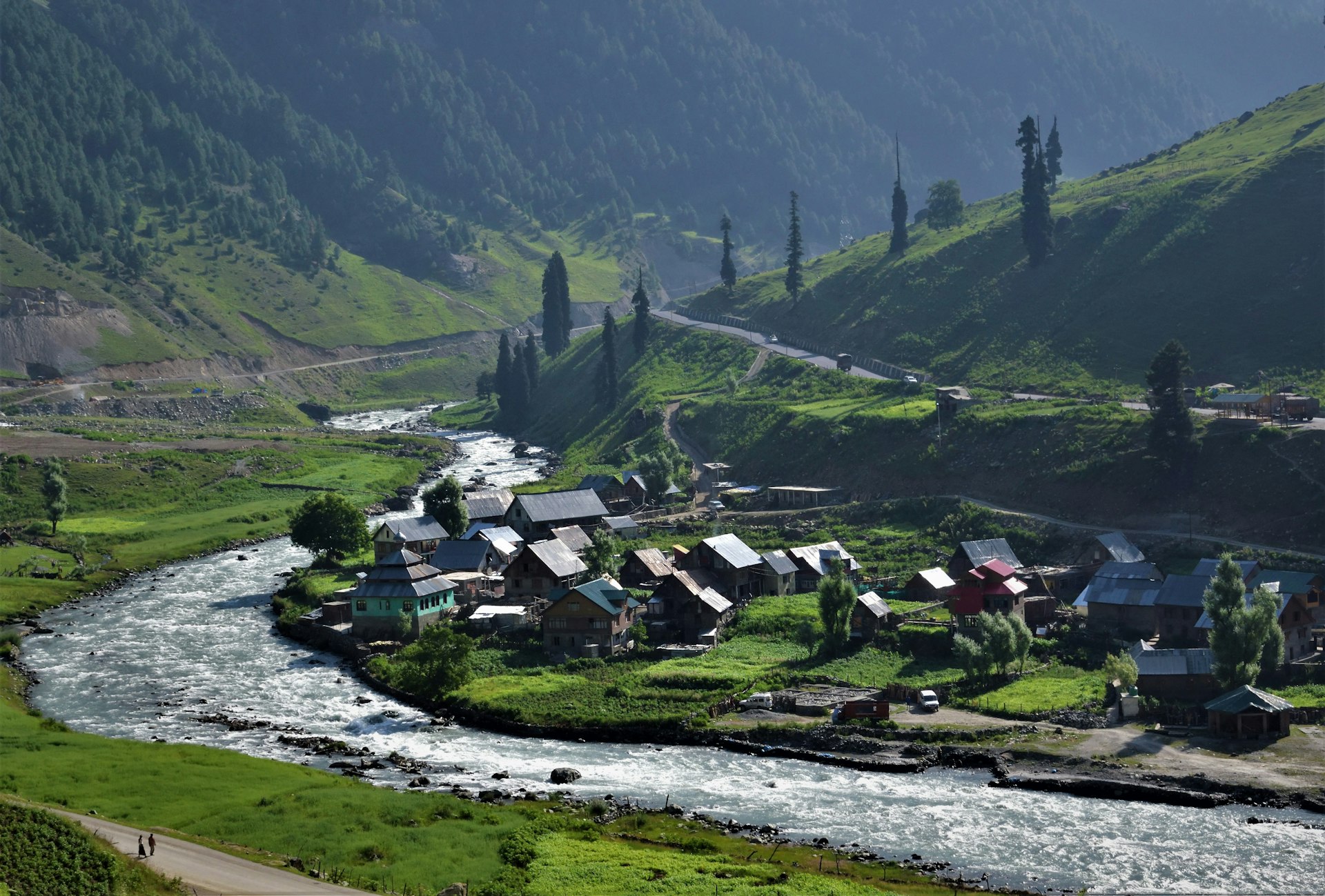
Doodhpathri in Pictures

Best Time to Visit
Spring
Apr – May
Snow melts, streams run full force. Early wildflowers start to appear.
Summer
Jun – Aug
Peak season. Wildflowers everywhere. Shepherds in valley. Perfect weather.
Autumn
Sep – Oct
Golden meadows, quieter. Shepherds begin their descent. Crisp and clear.
Winter
Nov – Mar
Heavy snow, road closed, valley inaccessible to most. For extreme adventurers only.
Must-Try Kashmiri Cuisine
Every meal in Kashmir is a story. These are the dishes you must try during your visit to Doodhpathri.
Rogan Josh
Slow-cooked lamb in Kashmiri spices — available at all local dhabas in the valley.
Dum Aloo
Baby potatoes in spiced yoghurt gravy — the definitive Kashmiri vegetarian dish.
Fresh Dairy
The Gujjar shepherds sell fresh milk, cream and traditional white butter — spectacularly good.
Shepherd's Bread
Flatbread baked on open fire by the Gujjar shepherds — simple, smoky and unforgettable.
Noon Chai
Pink salted Kashmiri tea — absolutely essential at this altitude to stay warm.
Wild Berry Jam
Local women sell handmade jams from wild strawberries and raspberries gathered in the meadows.
Nearby Attractions
15 km
Yusmarg
The 'Meadow of Jesus' — another pristine, crowd-free valley. Combine both in a single day trip.
22 km
Charar-e-Sharif
The revered shrine of Sheikh Nuruddin Wali — Kashmir's patron saint — a spiritual and cultural landmark.
35 km
Tosa Maidan
One of Kashmir's largest and most remote alpine meadows — accessible only in summer by 4x4.
20 km
Budgam Wetlands
Important birdwatching wetlands on the western outskirts of Srinagar — great for an afternoon visit.
5 km
Doodhganga River
The river fed by Doodhpathri's streams — follows the valley down to the plains, great for trout fishing.
Travel Tips for Doodhpathri
The best time to visit is late June–early July when both the wildflower bloom and nomadic shepherd camp are at their peak simultaneously.
The road to Doodhpathri requires a sturdy vehicle — a Sumo or similar 4x4 taxi is recommended, especially after rain.
Carry good walking shoes — the meadow is vast (3–4 km across) and the ground is uneven and often wet from the streams.
Weather can change very quickly at 2,730 m. Always carry a waterproof jacket regardless of the morning forecast.
Book camping packages at least 2 weeks ahead in peak season (July–August) — camp slots are extremely limited.
Respect the Gujjar shepherds and their flocks. Always ask permission before photographing people and their camps.
How to Reach Doodhpathri
By Air
Fly to Srinagar Airport (SXR), then drive 42 km west via Charar-e-Sharif and Yusmarg road. Takes approximately 1.5 hours.
By Road
From Srinagar, hire a private taxi (₹1,500–2,000 return). No direct public bus service. The road is narrow but motorable May–October.
On Horse
From the road head (approx 5 km before the main meadow), ponies are available for the meadow crossing and forest trails.
Frequently Asked Questions
Book Your Doodhpathri Tour
Let our Kashmir travel experts craft the perfect Doodhpathri itinerary for you — free planning, no hidden fees, full support throughout your journey.